
EV Charger Not Charging or Tripping: Safe Next Steps
When an EV will not charge, first distinguish a vehicle or scheduling message from an electrical fault.
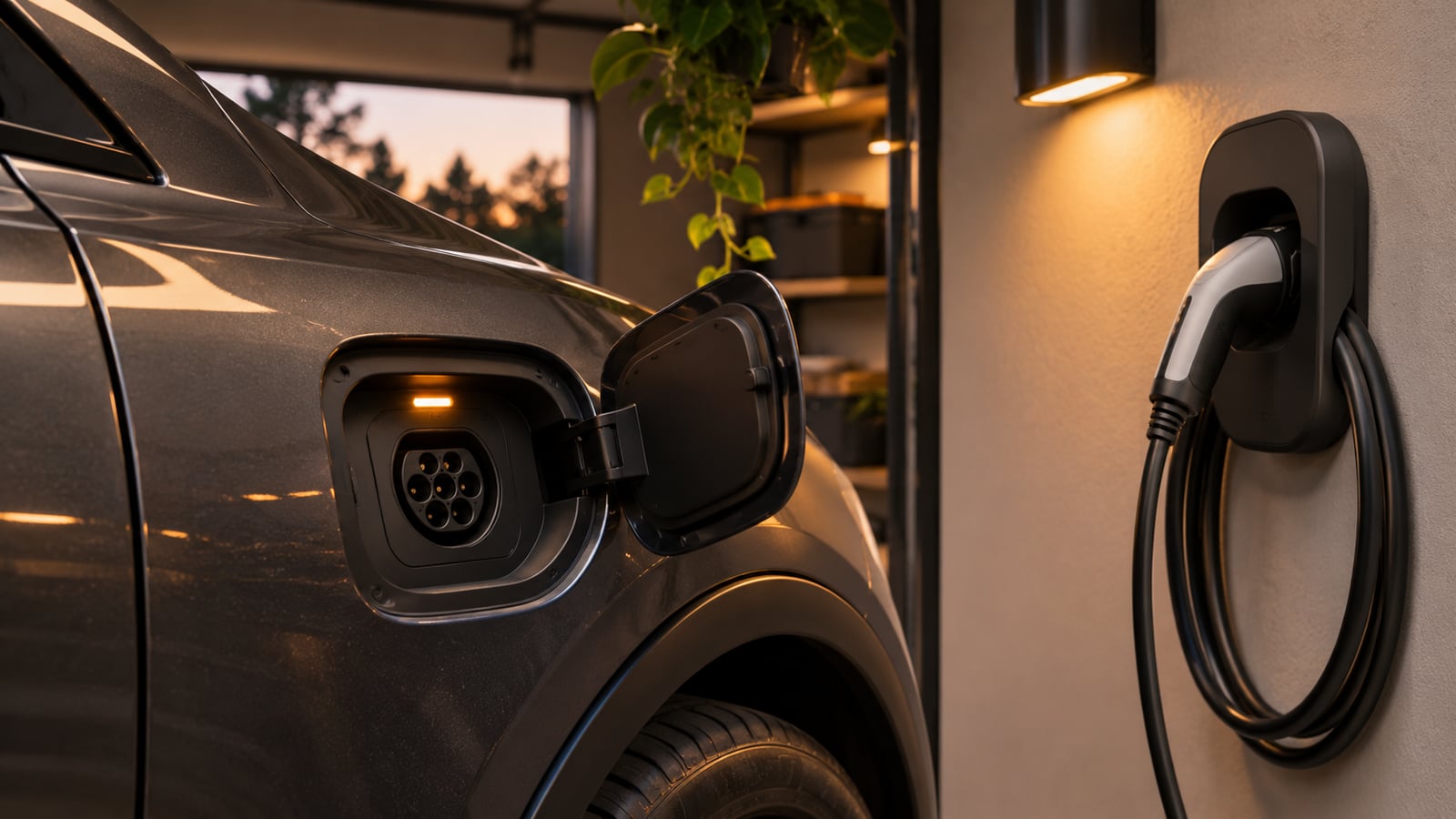
Quick answer
When an EV will not charge, first distinguish a vehicle or scheduling message from an electrical fault. Record the vehicle alert, charger status, and whether a breaker has tripped. Stop using equipment that is damaged, unusually hot, wet in an unsafe way, or showing signs of arcing. Do not repeatedly reset a tripping circuit or raise charging settings to force operation.
Read both sides of the connection
The vehicle and charging equipment may report different information. A vehicle waiting for a scheduled start is not the same as a charger reporting a fault. Record the exact messages and timestamps, including whether the session never began or stopped after some charging.
Check only ordinary owner-facing settings described in the manuals, such as whether a charging schedule or target level explains the behavior. Do not alter installer-only electrical configuration or assume that a setting found online applies to your equipment.
Separate connectivity from charging
Loss of Wi-Fi may affect monitoring or connected functions without stopping basic charging on some products. Other features can depend on network access. Consult the exact equipment documentation rather than treating “offline” as proof of electrical failure.
A recent network change, vehicle software change, or schedule adjustment is useful history. It does not rule out an electrical issue if there are physical warning signs or recurring protective-device trips.
What to report
- Vehicle and charger models and the connector arrangement.
- Exact messages from both the vehicle and charger.
- Whether charging starts, stops after a period, or never begins.
- Any breaker trip, unusual heat, odor, discoloration, or cable damage.
- Whether the problem began after an installation change or equipment update.
When a breaker trips
A tripping circuit requires appropriate diagnosis. The cause may involve the installation, equipment, protection, or another condition. Do not substitute a larger breaker, bypass protection, use an improvised adapter, or repeatedly reset the circuit to complete a charging session.
If the equipment appears unsafe, stop using it and contact qualified help. For smoke, fire, or immediate danger, move away and contact emergency services. A working public charger can be a temporary transportation option where appropriate, but it does not establish the cause of a home installation fault.
Route the problem to the right provider
Vehicle-specific faults may require the vehicle manufacturer; charger faults may require its support team; supply or circuit problems need an electrician. Christopher Power Systems can assess EV charging installation and electrical concerns. Sharing the recorded messages helps determine the appropriate next step without guessing at replacement parts.
After corrective work, ask what was found, what configuration was verified, and what to do if the same indication returns.
A charging session that will not complete?
Every property is different. Get guidance specific to yours.
Frequently Asked Questions
Straight answers to what homeowners and businesses ask us most.
Follow only the model's owner troubleshooting instructions. Recurring faults or breaker trips need investigation rather than repeated resets.
Not necessarily. Network and charging behavior vary by product.
Do not exceed the installed design. Slow charging may reflect vehicle limits, settings, management, or a fault that needs assessment.
Sun or storms, we have you covered
Get a free, no-pressure power assessment tailored to your property and priorities.