Generator Fuel Use: Planning for a Longer Outage
Generator fuel use depends on the model, fuel, electrical load, and operating time.
Quick answer
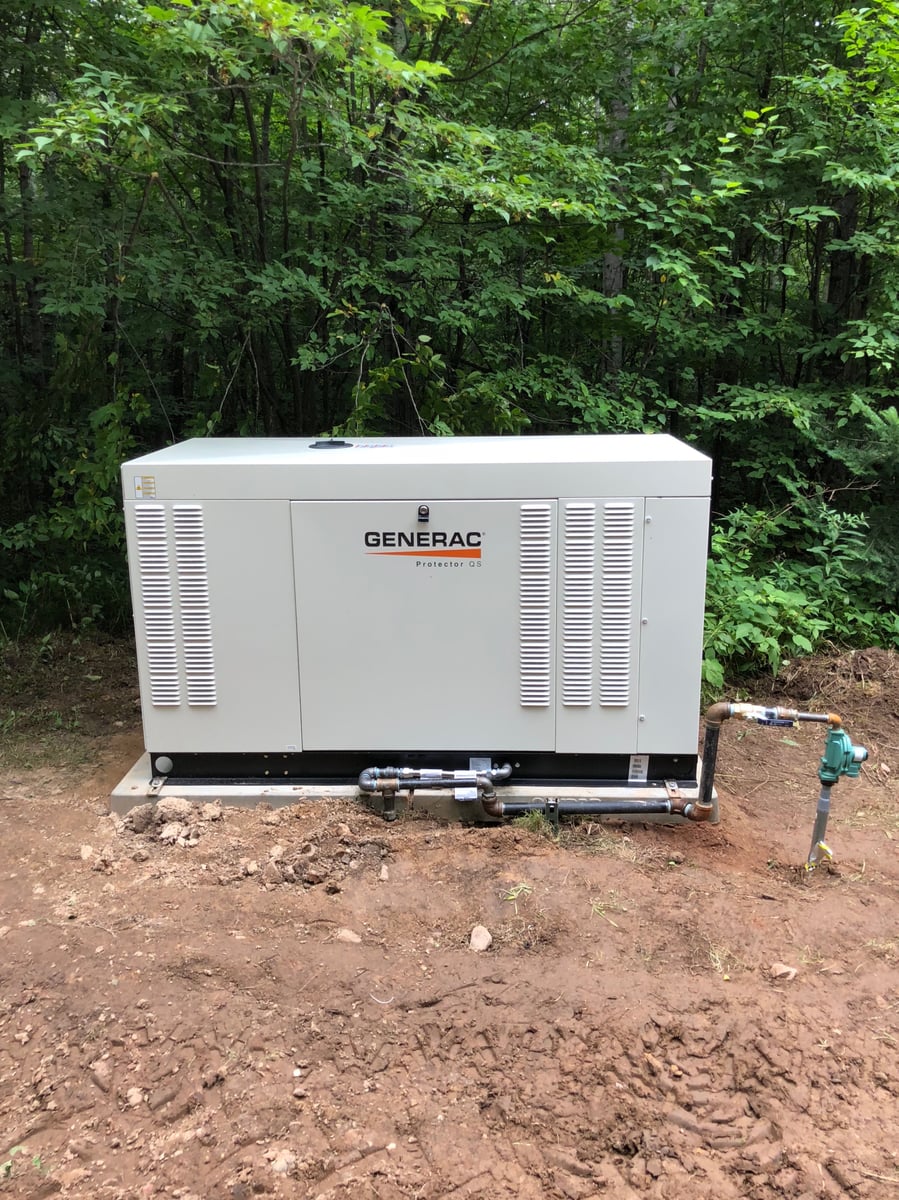
Generator fuel use depends on the model, fuel, electrical load, and operating time. Use the manufacturer's consumption data at relevant load levels, then plan around usable supply and other fuel-consuming equipment. A tank size or generator kilowatt rating alone cannot establish how long a home will stay powered.
Use the correct units
Manufacturers may publish natural-gas consumption in cubic feet per hour and propane consumption in gallons per hour. Do not compare those numbers directly or treat them as interchangeable. Use the exact model specification and the fuel configured for the installation.
Also distinguish rated electrical capacity from actual demand. A generator supplying modest essential loads may consume differently from the same unit supporting large heating or cooling loads. Published partial-load and full-load figures are reference points, not a promise that household demand stays constant.
Build a realistic outage worksheet
- Identify the exact generator model and fuel type.
- Obtain the applicable manufacturer fuel-consumption figures.
- List the loads expected to operate and their likely duty cycles.
- For propane, establish usable available fuel with the supplier rather than assuming the tank's nominal size is usable inventory.
- Include other appliances using the same fuel and a practical replenishment plan.
An illustrative runtime calculation
If a hypothetical system had 100 usable gallons allocated to the generator and consumed 2 gallons per hour at a defined load, simple division gives 50 hours. Those invented inputs demonstrate arithmetic only; they are not specifications, a tank-sizing recommendation, or a runtime estimate for any installed system.
Real planning must account for changing loads, shared fuel use, reserve needs, weather, and delivery constraints. For natural gas, a utility connection avoids on-site refilling but does not make the fuel supply immune to interruption or capacity limitations.
Demand management can change the plan
Decide which loads are essential and which can wait. Running all large appliances simultaneously may be unnecessary. A professionally designed load-management strategy can prioritize equipment, but occupants need to understand what may pause or remain unavailable.
Do not change fuel pressure, regulators, piping, or generator fuel configuration to try to improve runtime. Fuel-system design and adjustments belong with qualified professionals and the applicable manufacturer instructions.
Prepare before a long outage
Store the model-specific documentation and fuel supplier contact information where it remains accessible without internet service. Review fuel availability before severe weather, and know the maintenance requirements that apply during prolonged operation. Ask Christopher Power Systems to connect your load priorities with generator and fuel planning; coordinate propane supply questions with the fuel provider.
Estimating fuel use under actual loads?
Every property is different. Get guidance specific to yours.
Frequently Asked Questions
Straight answers to what homeowners and businesses ask us most.
Not accurately. Use model-specific consumption data and an appropriate load assumption.
No. Tank filling limits, existing inventory, reserve planning, and usable delivery conditions need to be considered with the supplier.
No. Fuel availability, maintenance requirements, equipment condition, and operating limits still matter.
Continue reading
Sun or storms, we have you covered
Get a free, no-pressure power assessment tailored to your property and priorities.