Buzzing Electrical Panel: When to Stop and Call
New, persistent, or pronounced buzzing at an electrical panel should be assessed by a qualified electrician.
Quick answer
New, persistent, or pronounced buzzing at an electrical panel should be assessed by a qualified electrician. Sound alone cannot establish whether the cause is a component, connection, load, or another condition. If buzzing comes with burning odor, smoke, sparking, or abnormal heat, keep away and seek urgent help appropriate to the hazard.
Do not investigate inside the panel
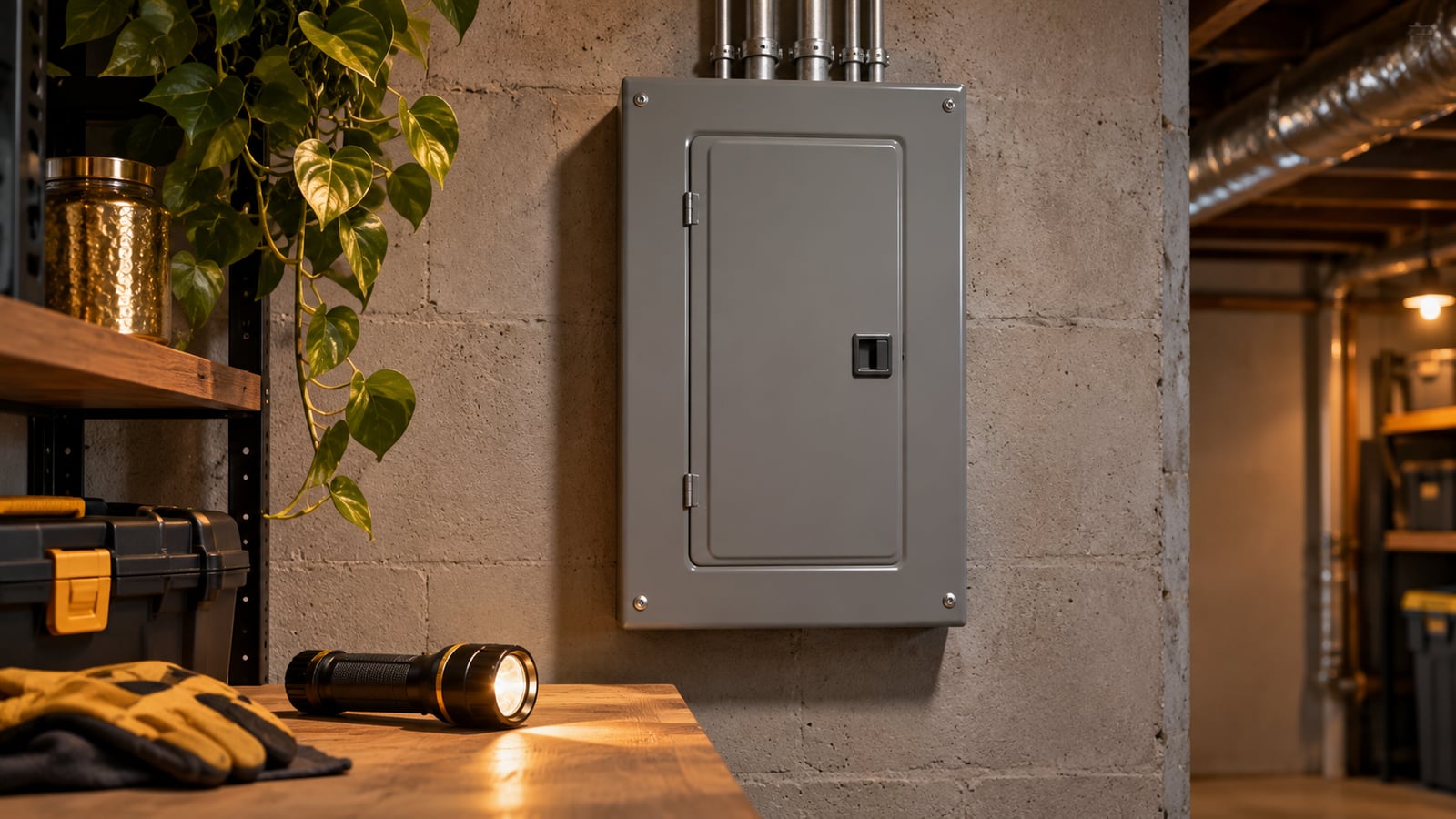
An electrical panel contains parts that can remain energized even when some breakers are off. Removing the cover, tightening connections, or touching components is not a safe homeowner diagnostic step. Do not place your face or hands close to the panel to locate a noise.
You can describe what you hear from a safe distance and whether it is continuous or intermittent. If recording a short video would require approaching equipment that appears unsafe, do not do it. Your observations are helpful, but obtaining a recording is never more important than staying clear.
Useful details for the service call
- When the sound began and whether it has changed.
- Whether a particular appliance was operating at the time.
- Whether lights flicker or breakers trip alongside the sound.
- Any recent electrical work, water exposure, or visible damage.
- Whether the sound occurs on utility power, generator power, or both.
Do not repeatedly switch loads on and off to provoke the noise. Report what you have already observed during ordinary use.
Why remote diagnosis is unreliable
Different components and conditions can produce sounds that homeowners describe as buzzing, humming, or crackling. A phone recording does not show component temperature, connection condition, or electrical measurements. A technician needs an appropriate inspection and testing process.
Nor does the panel's age prove the cause. An old panel may have a condition issue, while a newer installation may have an unrelated fault. The recommendation should identify the findings and explain why a repair or replacement is needed.
Keep the scope clear
If replacement is recommended, ask whether the issue is the panel itself, an individual component, associated wiring, or the broader service. These can lead to different projects. Request a written explanation of urgent work, further evaluation, and optional improvements.
A proposed capacity upgrade should be justified separately from a noise complaint. Increasing the service rating does not automatically repair a defective connection or device elsewhere in the system.
Arrange help and preserve access
Christopher Power Systems offers electrical panel and residential electrical services. Describe hazard signs when making contact so the situation can be understood. Keep the working area accessible, but do not move objects near equipment if doing so would bring you into an unsafe area.
After service, ask what was corrected and whether any follow-up observation is appropriate. Report a returning sound rather than assuming it is harmless because work was recently completed.
Abnormal sound at the panel?
Every property is different. Get guidance specific to yours.
Frequently Asked Questions
Straight answers to what homeowners and businesses ask us most.
Sound alone cannot determine that. New or changing noise deserves assessment; smoke, burning odor, sparking, or abnormal heat increases urgency.
Do not open the panel or attempt internal repairs. Have a qualified electrician diagnose the condition.
Not necessarily. Condition, connections, components, and load behavior need to be evaluated before choosing a solution.
Sun or storms, we have you covered
Get a free, no-pressure power assessment tailored to your property and priorities.