
Whole-House Surge Protection: What It Can and Cannot Do
Whole-house surge protection is designed to reduce damaging transient voltage surges entering or occurring within an electrical system.
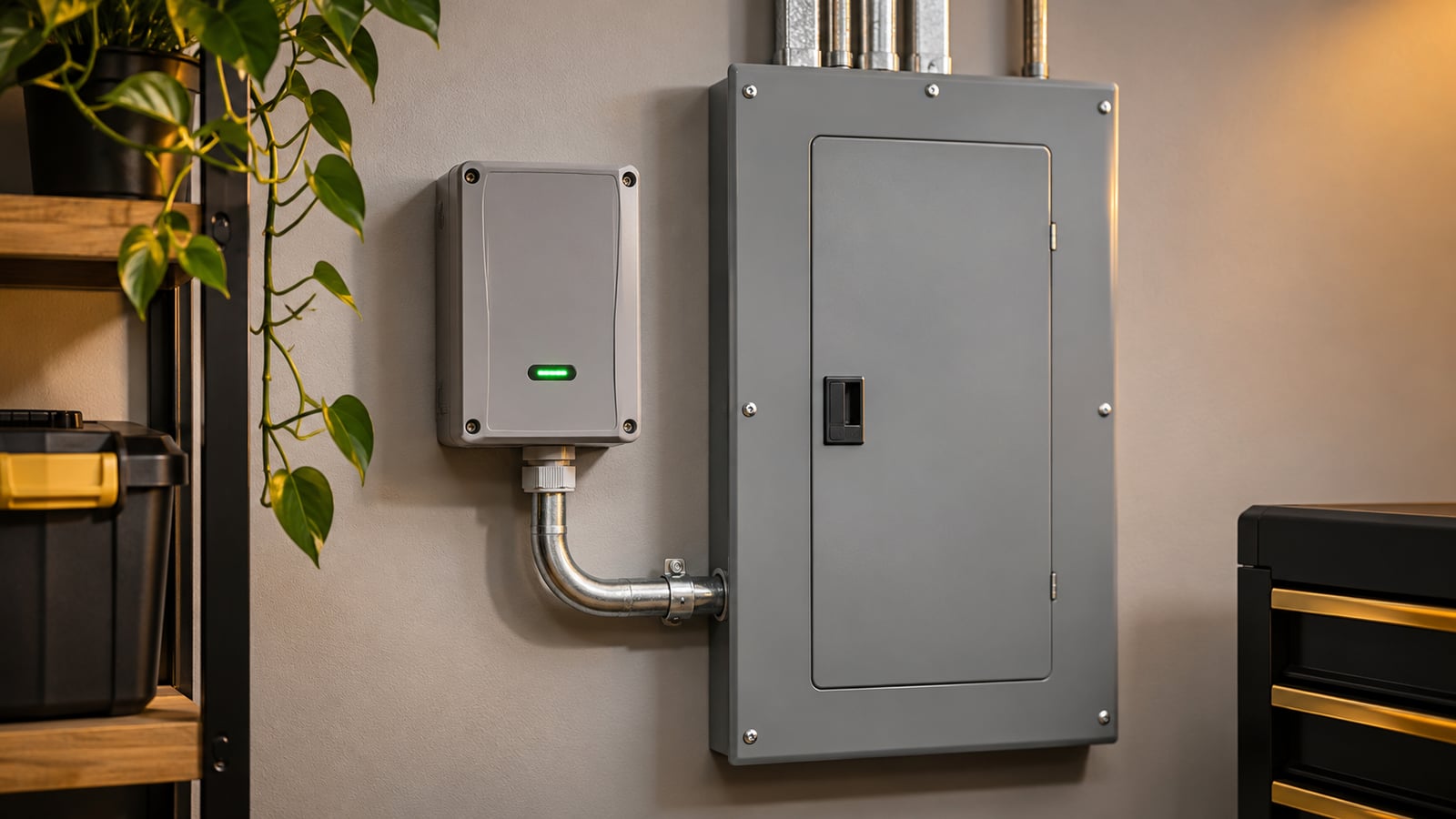
Quick answer
Whole-house surge protection is designed to reduce damaging transient voltage surges entering or occurring within an electrical system. It does not supply backup power, correct every power-quality problem, or guarantee that equipment cannot be damaged. Select and install protection as part of a coordinated electrical plan, with clear expectations about its limits.
Separate three different protections
| Protection | Main role | Important limit |
|---|---|---|
| Surge protective device | Mitigate transient voltage surges. | Not a source of backup energy. |
| Circuit breaker | Protect a circuit against specified overcurrent conditions. | Not a substitute for surge protection. |
| UPS or backup system | Support selected loads through an interruption, depending on design. | Not automatically comprehensive surge protection. |
A product can combine features, but those features should be verified rather than assumed from its name. A typical power strip is not necessarily a surge protective device.
Think about the equipment you want to protect
List HVAC controls, appliances, networking equipment, entertainment systems, and other sensitive electronics. Consider how they connect to power and other services. A coordinated protection strategy may involve more than one device and should account for the building's electrical arrangement.
Do not interpret a large marketing number as proof that one product suits every home. Device selection, installation, and the condition of the electrical system matter. Ask the electrician to explain why the proposed device is appropriate and how its status is checked.
Questions for the installation proposal
- Where will the protection be installed and what part of the system will it serve?
- Is the device compatible with the panel and electrical arrangement?
- How will you know whether the device remains functional or needs attention?
- Are additional point-of-use devices appropriate for selected equipment?
- What are the actual warranty terms, exclusions, and documentation requirements?
What surge protection will not fix
A surge device is not the solution to persistent flickering, recurring breaker trips, a damaged connection, or inadequate service capacity. Those symptoms require their own diagnosis. It also does not keep a refrigerator running during an outage or make a generator unnecessary.
For a home with generator, solar, or battery equipment, discuss the complete electrical architecture. Do not assume a device selected for one arrangement protects every possible connection in a more complex system.
Plan inspection and owner awareness
Ask the installer to show the normal status indication and explain what to do if it changes. Keep the product information and installation record. After a significant electrical event, follow the manufacturer's guidance and seek assessment if equipment behaves abnormally.
Christopher Power Systems can discuss electrical system improvements and whether surge protection belongs in your project. The proposal should distinguish protection, diagnosis, capacity changes, and backup power so you can decide on each need clearly.
Protecting electronics without false promises?
Every property is different. Get guidance specific to yours.
Frequently Asked Questions
Straight answers to what homeowners and businesses ask us most.
No. Do not treat it as an absolute guarantee against every event or every path of damage.
No. Backup generation and transient-voltage protection serve different purposes.
Panel work involves hazardous electrical exposure. Have an appropriately qualified electrician select and install the device.
Sun or storms, we have you covered
Get a free, no-pressure power assessment tailored to your property and priorities.