Generator Exercise vs. Load Testing: What Each Proves
A scheduled exercise run shows that a generator can complete that programmed routine.
Quick answer
A scheduled exercise run shows that a generator can complete that programmed routine. A load test evaluates operation while supplying a defined electrical demand. A transfer test checks the movement between utility and backup supply. These are related checks, but one does not automatically prove that the others have been completed.
What an exercise run can miss
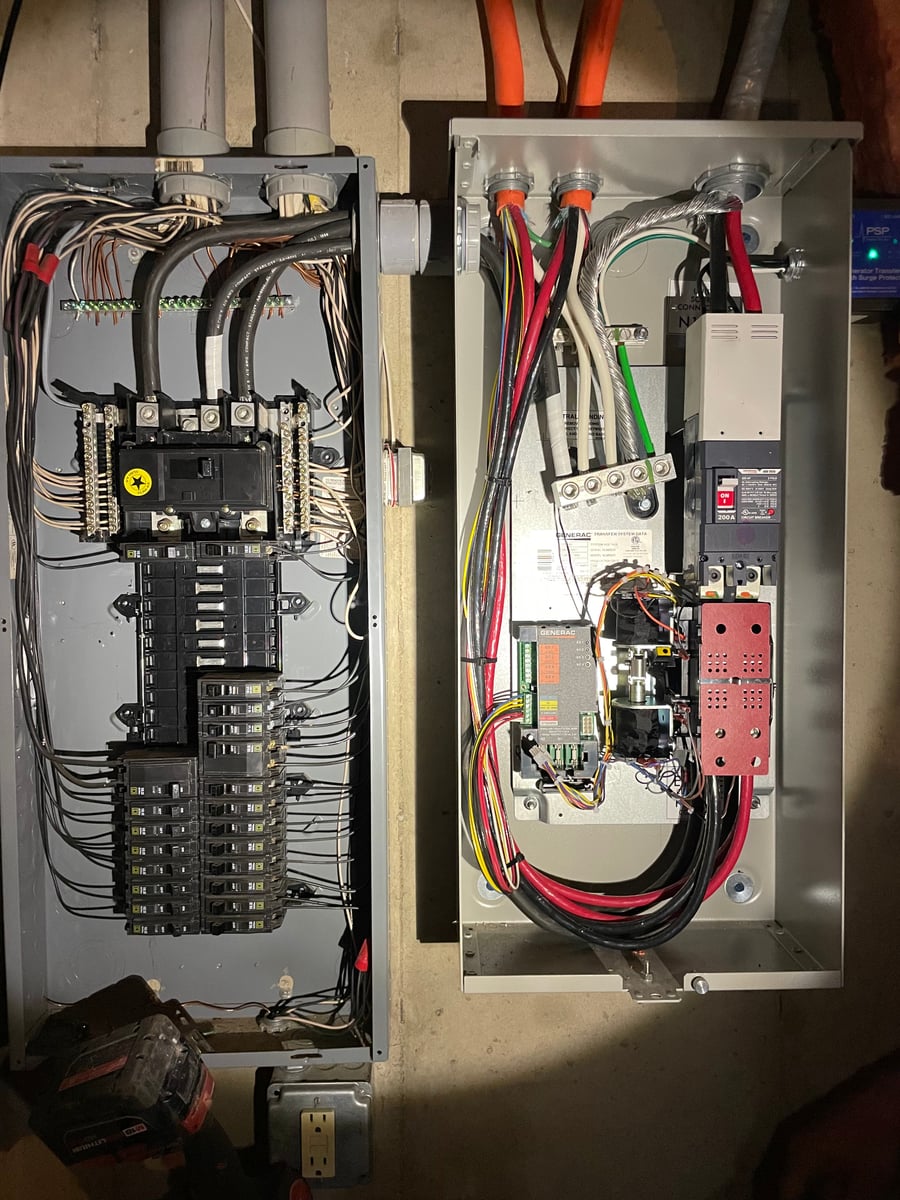
Depending on the system, an exercise cycle may run the engine without transferring the home's loads. Hearing the engine once a week is reassuring, but it does not establish that the well pump, heating equipment, and other intended circuits will operate during a real outage.
Exercise settings vary by model and installation. Ask your service provider how your particular system is configured and what the exercise does. Do not assume that a neighbor's schedule or online description applies to your controller.
Know the test objective
- Engine exercise: observe the programmed start-and-run routine and status messages.
- Transfer verification: confirm appropriate switching behavior in a planned test.
- Load assessment: evaluate the actual equipment the property expects to operate.
- Load-bank testing: use controlled test equipment where appropriate to evaluate a defined demand.
A load bank and a building's real loads are not identical. One offers controlled demand; the other can reveal interactions among actual appliances and controls. A qualified provider chooses the appropriate approach for the equipment and purpose.
Plan the interruption
Testing can interrupt power and affect computers, controls, refrigeration, security, or business operations. Coordinate timing with occupants and responsible staff. Identify equipment that needs an orderly shutdown or a separate continuity plan. A generator system is not automatically an uninterruptible power supply.
For a business, document who can authorize the test, who needs notice, and what successful restoration looks like. For a home, discuss sensitive equipment and access before the appointment. Do not create an outage yourself by operating unfamiliar service equipment.
Make results useful
Ask for a record of the test performed, loads involved, observations, alarms, and follow-up work. “Tested” is less useful than a description of what was tested. If a pump failed to start or a load-management device disconnected equipment, the result should be explained in relation to the intended backup plan.
After new HVAC equipment, an EV charger, or another major load is installed, revisit the plan. A successful test from before the change cannot establish that the expanded system will behave the same way.
Arrange the right service
Christopher Power Systems can discuss generator maintenance and system evaluation. Describe what you want to verify: starting reliability, transfer operation, appliance support, or business continuity. Ask which tests are suitable and included rather than requesting a vague “full test.”
A weekly run does not prove the house is protected?
Every property is different. Get guidance specific to yours.
Frequently Asked Questions
Straight answers to what homeowners and businesses ask us most.
No. Exercise does not replace scheduled inspection, consumables, and other manufacturer-required service.
Arrange testing with a qualified provider and follow the exact equipment documentation. Do not operate unfamiliar electrical equipment to create a test outage.
No test guarantees future performance. It documents behavior under the conditions tested and can reveal issues to address.
Sun or storms, we have you covered
Get a free, no-pressure power assessment tailored to your property and priorities.